English
 Italiano
 Français
 Español
 Deutsch
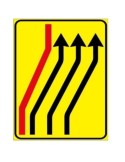
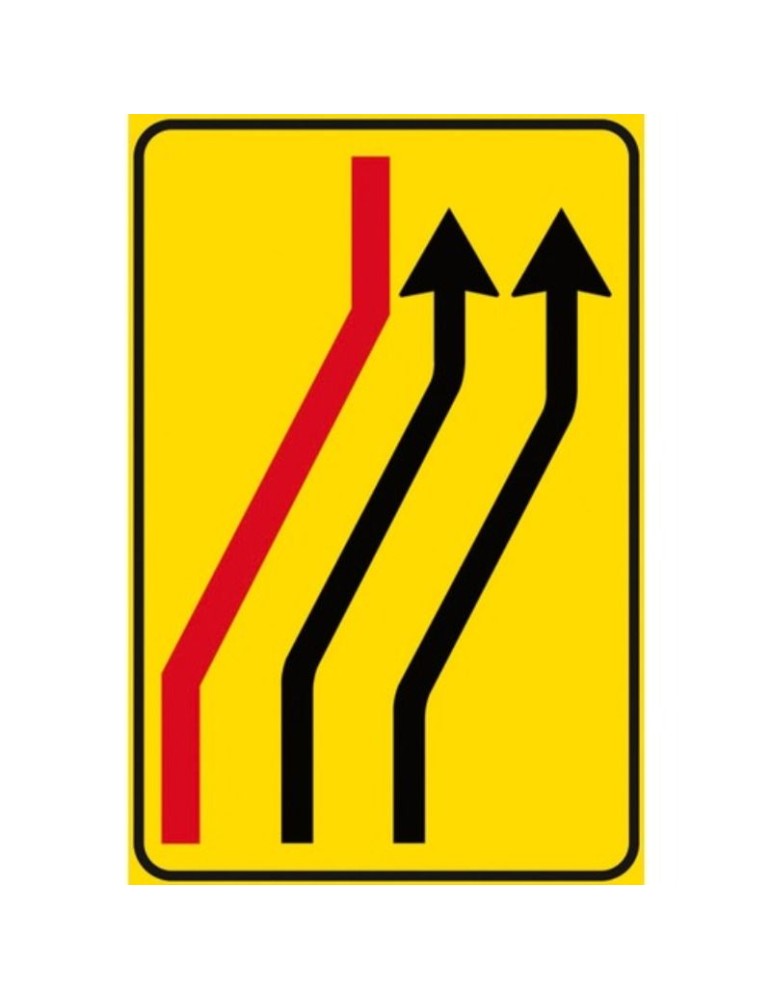
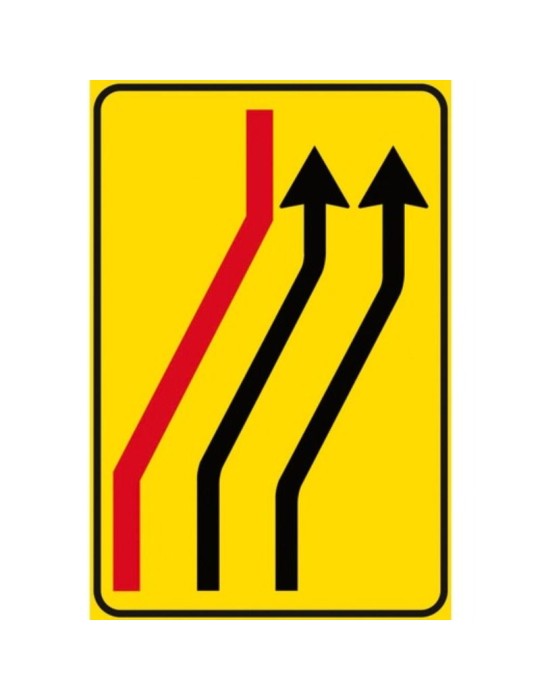

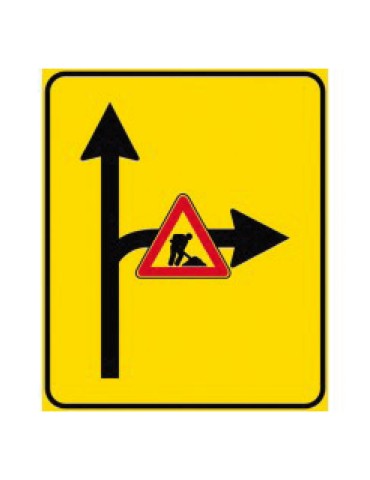
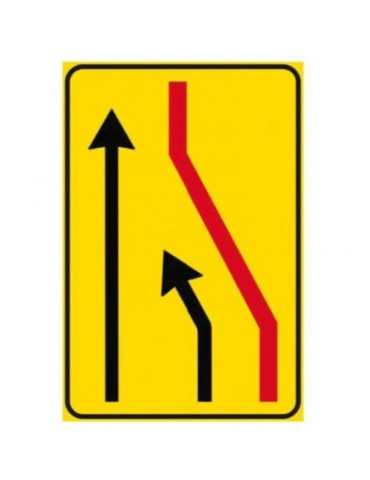
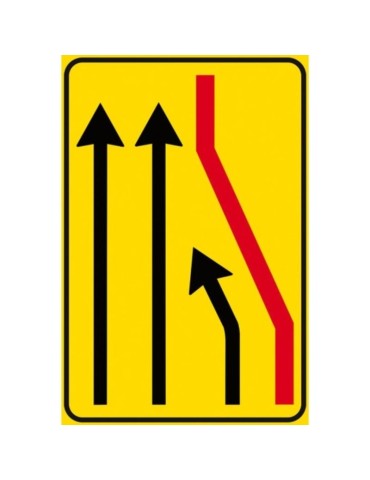
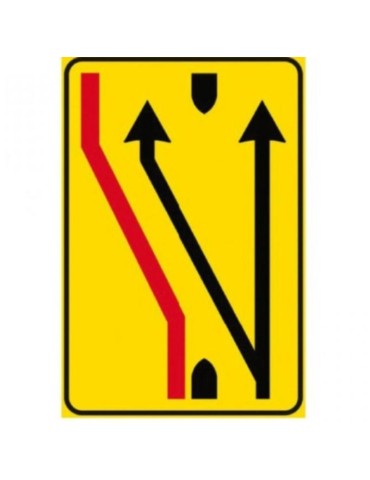
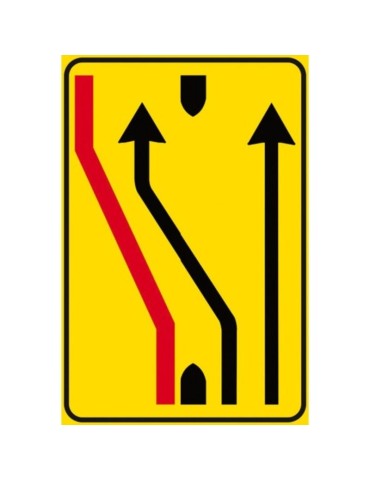
The closed lane sign (Fig. 411/d) is essential for road construction sites, guiding traffic to the passable side lanes. Made of sheet metal, it guarantees visibility.
L'ordine entro verrà spedito
The closed lane sign, identified by Figure 411/d of the Highway Code, is an indispensable element for the temporary management of traffic in road construction situations or events that make one or more central lanes impassable. This plate, with a standard vertical format of 60x90 cm, is designed to guide drivers clearly and safely towards the side lanes that are still available.
Made of sturdy materials such as hot-dip galvanized sheet metal or aluminum, the license plate features anti-cut folded edges for added security. The protective treatment against rust and atmospheric agents ensures a long life and resistance in all conditions. The Class 1 reflective film, compliant with the UNI EN 12899-1 standard, guarantees excellent visibility at night and in limited light conditions, making it suitable for moderate speed contexts or urban and extra-urban traffic. The yellow background, characteristic of temporary signs, reinforces its immediate recognisability in construction site contexts.
The 411/d sign graphic shows two black arrows crossed out in the center, indicating the forbidden lanes, and two black side arrows that direct traffic to the left and right lanes that remain open. Prepared with holes or slots, the plate can be easily fixed on trestles, New Jersey barriers, mobile poles and other supports, offering flexibility of use. It is typically positioned upstream of the area of interest, often in combination with other signs such as roadworks or distance panels, for effective warning and optimal management of vehicular flow.
Q: What is the main purpose of the closed lane sign Fig. 411/d?
A: Its primary purpose is to inform drivers of the temporary closure of the middle lanes, guiding them safely to the passable side lanes, typically in construction site areas or where there are obstacles.
Q: Where should this sign be placed?
A: Generally, the Fig. 411/d signal is placed upstream of the job site or obstacle, often in combination with other warning signals to maximize effectiveness and safety.
Q: What is the difference between Class 1 and other refractive classes?
A: Class 1 indicates a basic reflectivity, suitable for moderate speed contexts or urban/extra-urban traffic, ensuring standard night visibility. There are higher classes for greater reflectivity in more critical conditions.
You might also like