English
 Italiano
 Français
 Español
 Deutsch

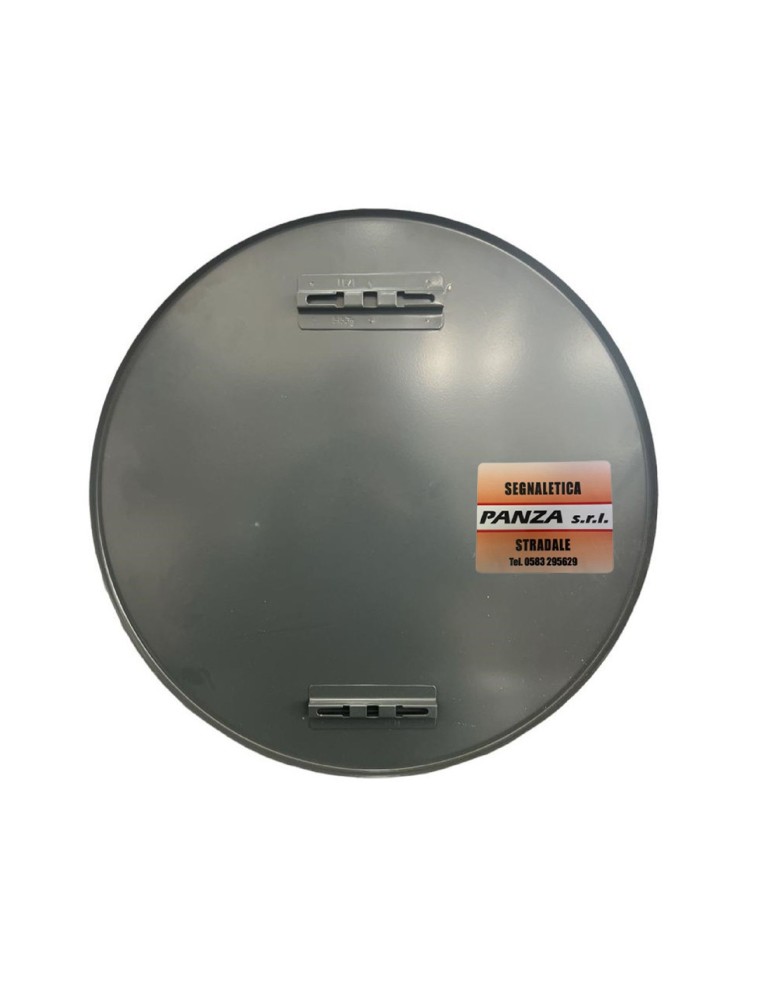

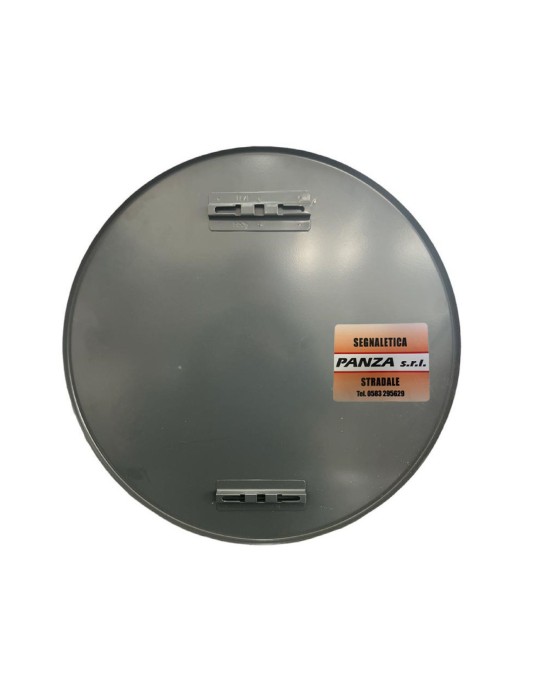
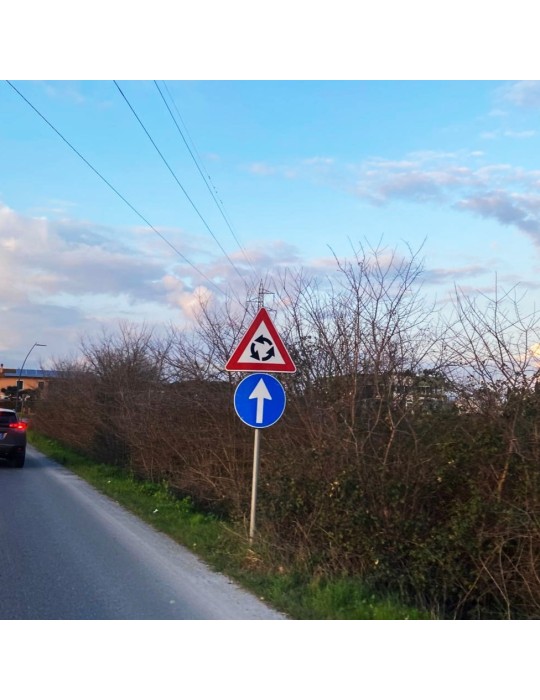

Disc discs 60cm class 1 compulsory direction straight permanent road signs temporary safety work site
L'ordine entro verrà spedito

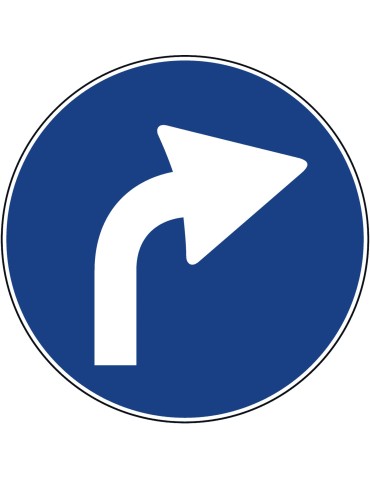
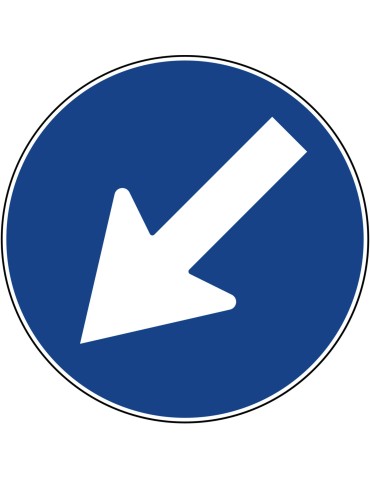
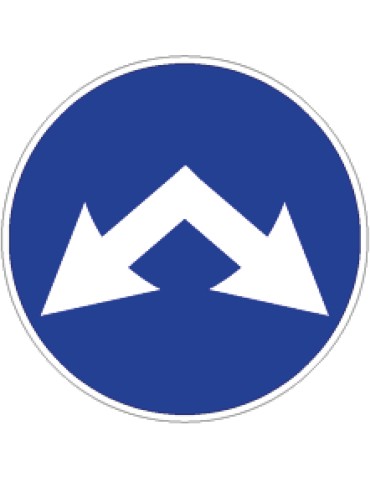
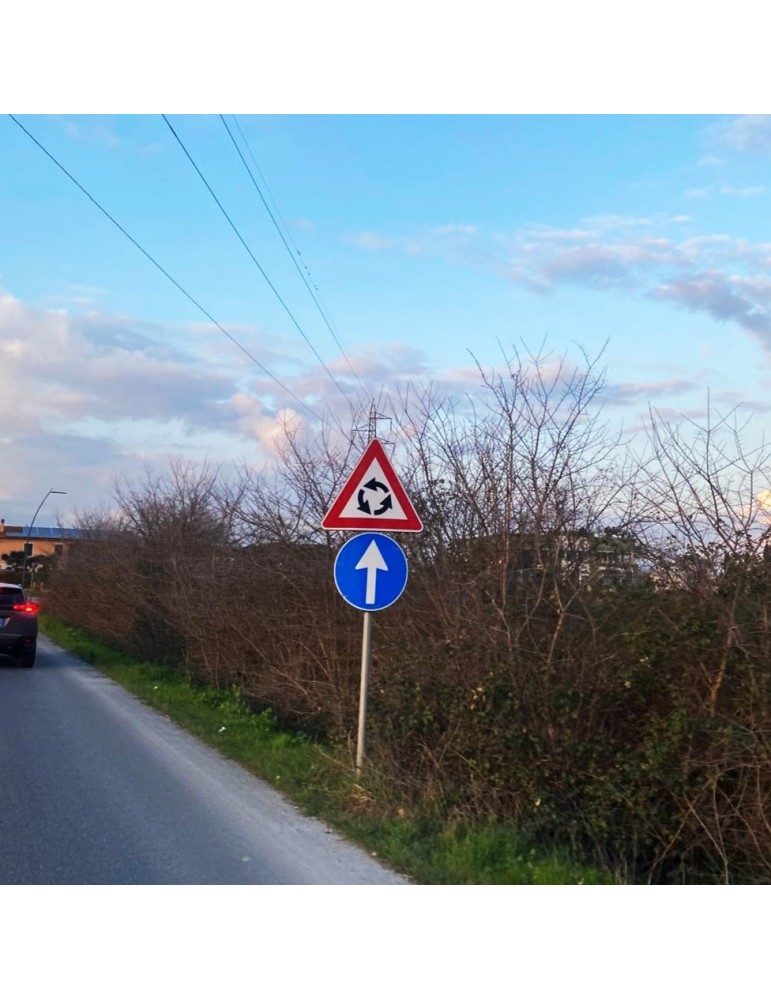
The Mandatory Direction sign (Fig. 80/a) is a fundamental element for traffic management and road safety. This prescription disc, with its unmistakable white arrow on a blue background, unequivocally communicates to road users the need to continue straight ahead, preventing turns or U-turns. Its clear indication prevents dangerous situations and fluidifies the vehicular flow at specific intersections or points of the roadway where other manoeuvres are prohibited for safety or organisational reasons.
Made with a diameter of Ø 60 cm, ideal for secondary urban and extra-urban contexts, this sign falls into Class 1 of refraction. This feature ensures standard visibility, whether during the day or in low light or at night, ensuring that the message is always clearly perceptible. Its compliance with Fig. 80/a of the Regulations for the execution and implementation of the Highway Code (Presidential Decree 495/1992) attests to its validity and legal effectiveness. The circular shape and standardized colors facilitate its immediate identification as a mandatory sign, without a border as required by the regulations.
The Mandatory Direction sign is used in various scenarios. It is indispensable at intersections where traffic must necessarily continue straight, for example to channel flows or avoid points of conflict. It is also widely used at road construction sites or temporary detours, guiding vehicles along safe alternative routes. Its installation is common both in urban areas, for the management of complex intersections, and in extra-urban contexts, where maneuvering limitations are dictated by infrastructural or safety needs.
Its main purpose is to require drivers to continue exclusively straight on at the intersection or stretch of road where it is located, prohibiting right turns, left turns or U-turns to ensure the safety and fluidity of traffic.
It is installed at intersections where it is only allowed to continue straight, near construction sites or temporary detours and at any point of the roadway, urban or extra-urban, where maneuvering limitations are necessary.
"Class 1" refers to the level of refraction of the signal material. Indicates a standard refraction that ensures good visibility of the signal both day and night, under normal lighting conditions.
You might also like