English
 Italiano
 Français
 Español
 Deutsch
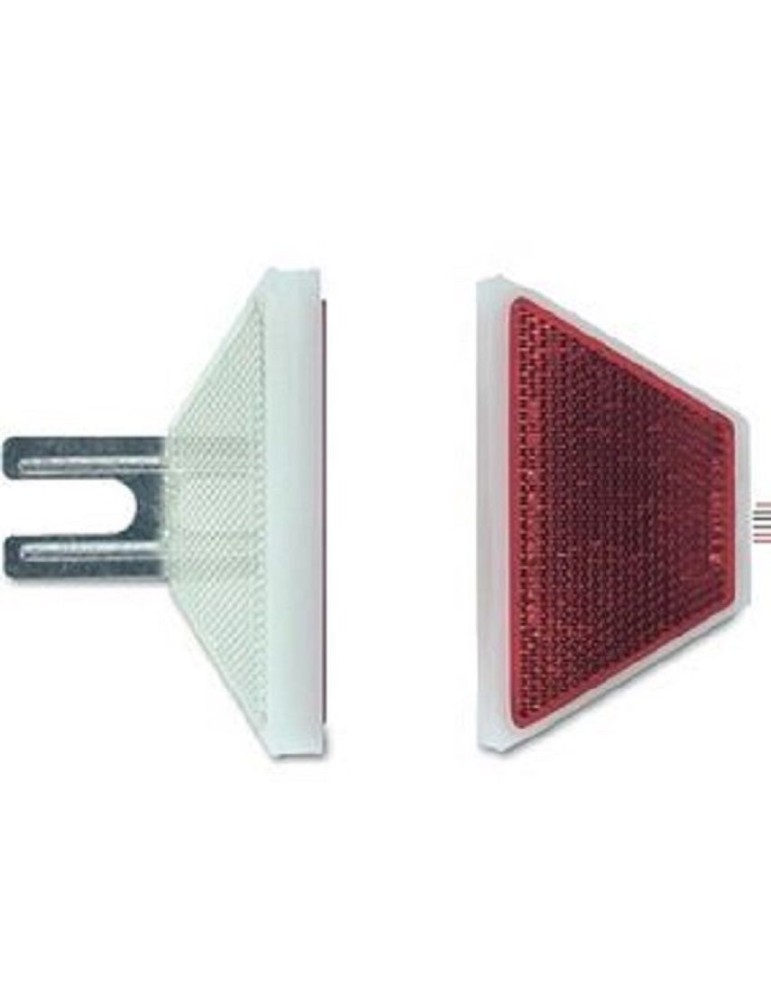

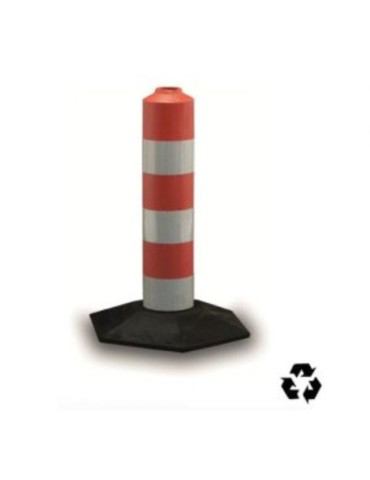
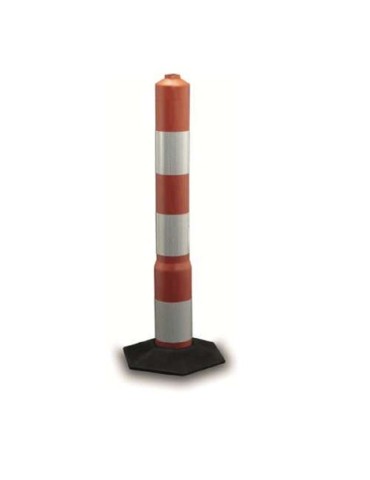
Delineator Margin Center Double-sided Wave White Red Complementary Signage Work Safety Construction Site, Gem Reflective Gems for Roadside Reflectors Retroreflectors Retroreflectors
L'ordine entro verrà spedito
Features: The white/red double-sided wave centre edge delineator is a passive signalling device designed to increase the visibility of roadsides and carriageways, especially in poor visibility conditions (night, rain, fog). The double-sided structure makes it visible from both directions.
Main technical features:
"Wave center" profile:
• The unique wavy shape of the panel allows for more effective reflection of light from different angles, increasing visibility even when the vehicle is approaching from the side. In addition, the profile promotes the runoff of rain and dirt, keeping the reflective surface clean.
Double-sided:
• Equipped with reflective elements on both sides, it allows visible signaling from both directions, ideal for central installations on two-way roads.
• White/red reflective color:
White: Side visible in the direction of travel.
Red: Visible side in the opposite direction, indicating the back of the delineator (typically used to highlight that you are driving in an opposite or prohibited lane).
Compliant with Italian road regulations (e.g. Ministerial Decree 10 July 2002 – Functional and geometric standards for road construction).
Materials:
• High-strength plastic polymer structure (e.g. polyethylene or impact-resistant PVC), resistant to UV rays, bad weather, atmospheric agents and accidental impacts.
Reflective surfaces in high-intensity microprismatic or catadioptric material.
Typical Use:
• Margins of country roads and motorways
• Traffic divider barriers
• Roundabouts and directional islands
• Dangerous sections or short radius curves
• Installations on safety barriers or bollards
Installation mode:
• The delineator is generally fixed vertically on steel, plastic or wooden posts, or directly on road barriers. Installation can be done by means of screws, plastic collars or interlocking systems, depending on the type of support and the road environment.
Sheet
You might also like