English
 Italiano
 Français
 Español
 Deutsch



Disc diameter class 2 transit forbidden to vehicles with mass for the upper axle temporary construction site signs sign traffic safety construction site signs
L'ordine entro verrà spedito

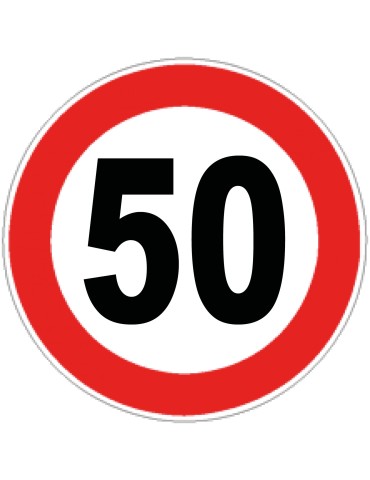
The road sign "Transit Prohibited Mass by Axis" (Fig. 69) is a fundamental element for traffic management and the protection of road infrastructures. Characterized by its disc shape with Ø 60 cm and a Class 1 reflectivity, this sign imposes a prohibition on transit on all vehicles (or trainsets) whose axle mass exceeds the specified value in tons (t). This limit is crucial for protecting bridges, viaducts, tunnels and road sections with delicate pavements, which could suffer structural damage under the excessive weight of a single axis. Its presence is indispensable in areas where the load-bearing capacity of structures is limited, ensuring that only compatible vehicles can circulate safely. The diameter of 60 cm makes it ideal for installation on urban or secondary suburban roads, ensuring excellent visibility and legibility in compliance with current regulations.
This sign, with its unmistakable design (red border, white background, black symbol and numbers), clearly and immediately communicates the load limit. Class 1 reflectivity ensures that the sign is clearly visible even in low light conditions or at night, when illuminated by vehicle headlights, increasing safety for all road users. Its application is universal: the ban is valid for any vehicle, regardless of the number of axles, if even just one exceeds the established limit. FAQ: What is the purpose of the "Transit Prohibited Mass by Axle" sign? It is used to prohibit the passage of vehicles whose mass transmitted to the ground by a single axle (axle mass) exceeds the indicated limit. This protects road infrastructure, such as bridges and pavements, which cannot withstand excessive loads. What is the difference between "gross mass" and "mass per axle"? The gross vehicle mass is the total weight of the vehicle plus the load. The axle mass, on the other hand, is the weight that each individual axle of the vehicle unloads on the road. The sign refers specifically to the latter, as excessive concentrated loads on a single axle can damage structures even if the total weight of the vehicle is within the general limits. Where are these signs usually installed? They are installed near bridges, viaducts, tunnels, road sections with delicate pavements or areas with specific structural limitations. The diameter of 60 cm is standard for use on secondary urban or suburban roads. What does "Class 1" mean for a road sign? Class 1 indicates a basic reflectivity that ensures good visibility of the signal in low light conditions or at night, when illuminated by vehicle headlights. It complies with regulations for signage on public roads.
You might also like